

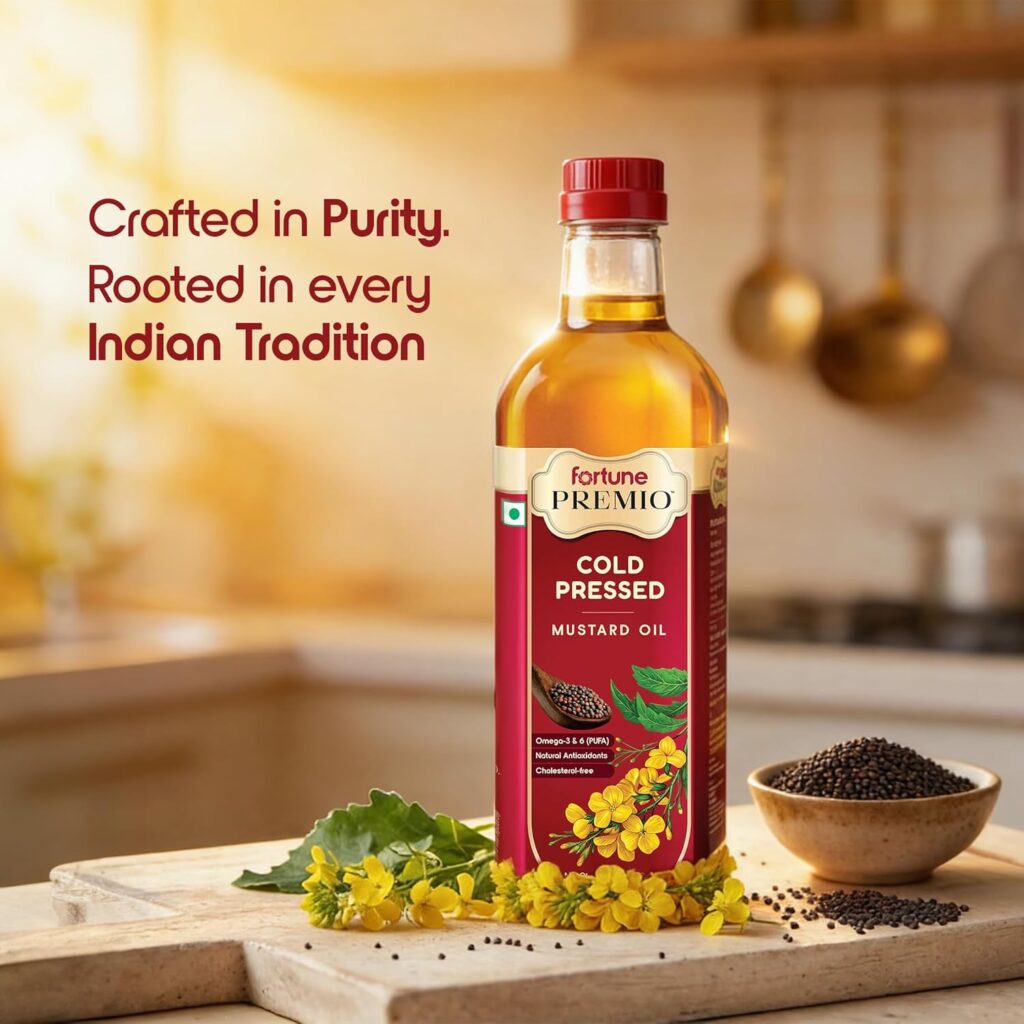
The Definitive Guide to Mustard Oil: Benefits, Uses & More
You might have seen a bottle of pungent, dark yellow oil sitting on a grocery store shelf and wondered what makes it so special. Mustard oil has been a staple in kitchens and medicine cabinets across the globe for centuries. Known for its strong aroma and sharp flavor, this versatile liquid offers far more than just a culinary kick. Its deep roots in culture and history tell a story of healing, flavor, and tradition.
Whether you want to upgrade your cooking, revitalize your hair, or soothe dry skin, mustard oil deserves a spot in your pantry. In this comprehensive guide, we will explore exactly what makes mustard oil so powerful. You will learn about its top health benefits, discover practical ways to use it every day, and get a detailed buying guide to help you choose the best mustard oil on Amazon. We will also dive into its history, cultural importance, and delicious recipes.
What is Mustard Oil?
Producers create mustard oil by pressing the seeds of the mustard plant, which belongs to the Brassica family alongside broccoli and cabbage. This extraction process yields a thick, golden-yellow oil with a distinct, pungent aroma. The strong smell and flavor come from a compound called allyl isothiocyanate, which is activated when the seeds are crushed and mixed with water.
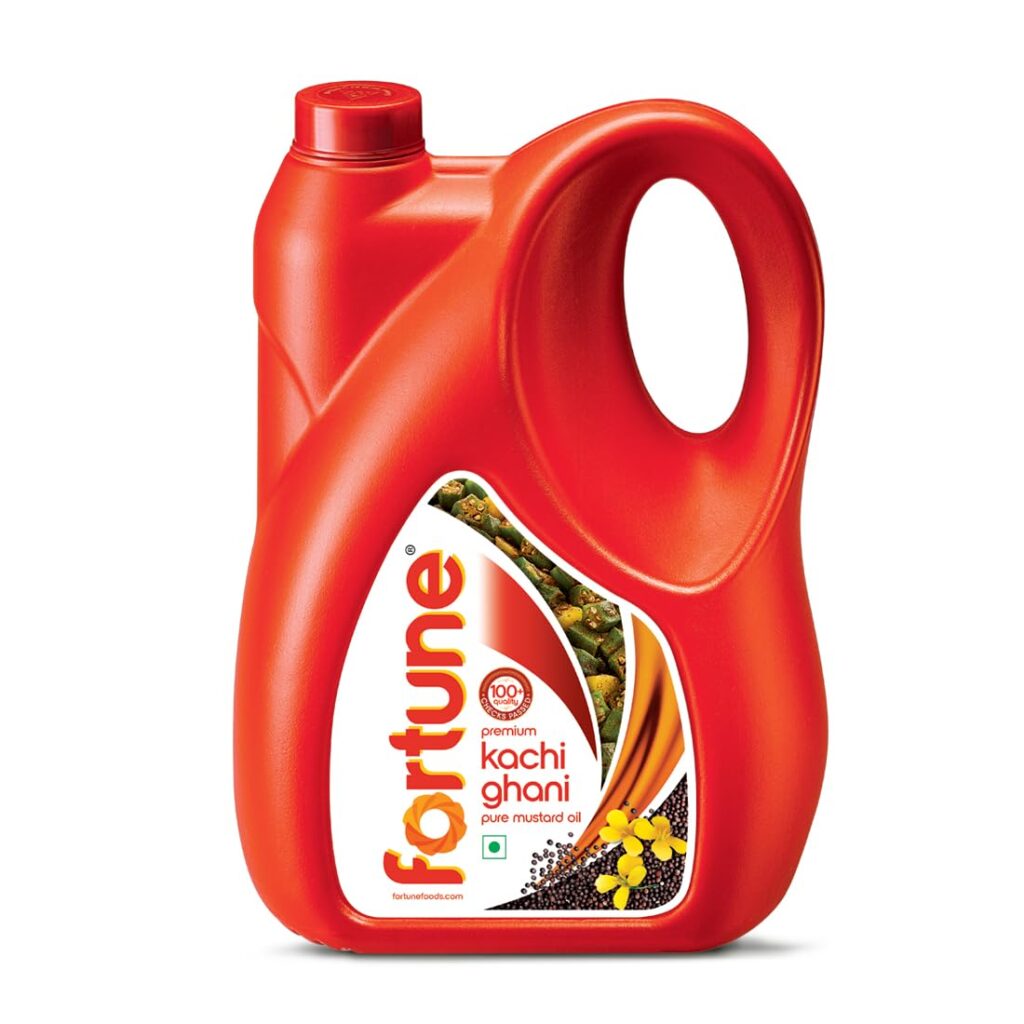
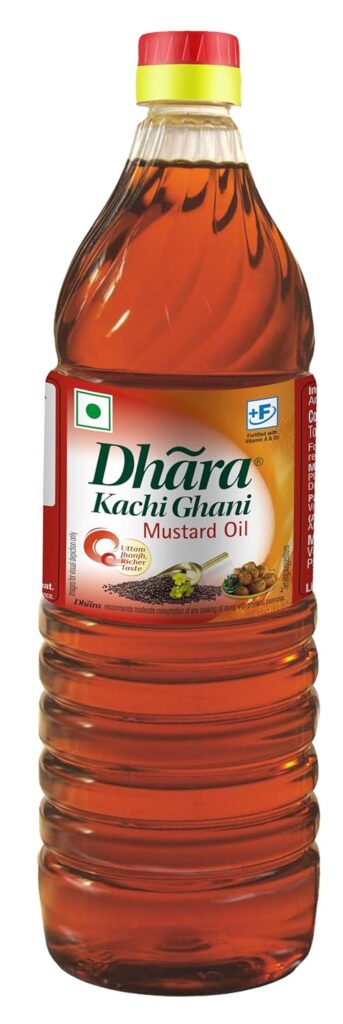
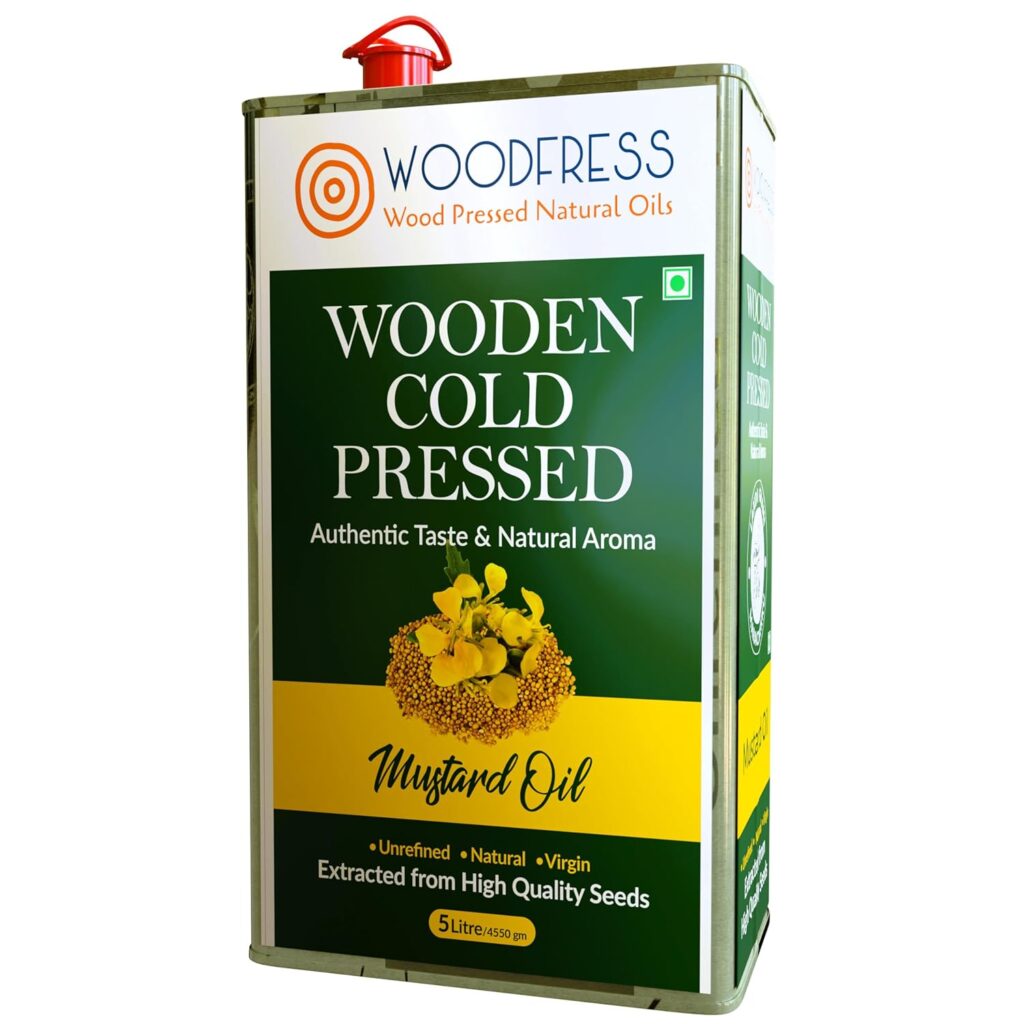
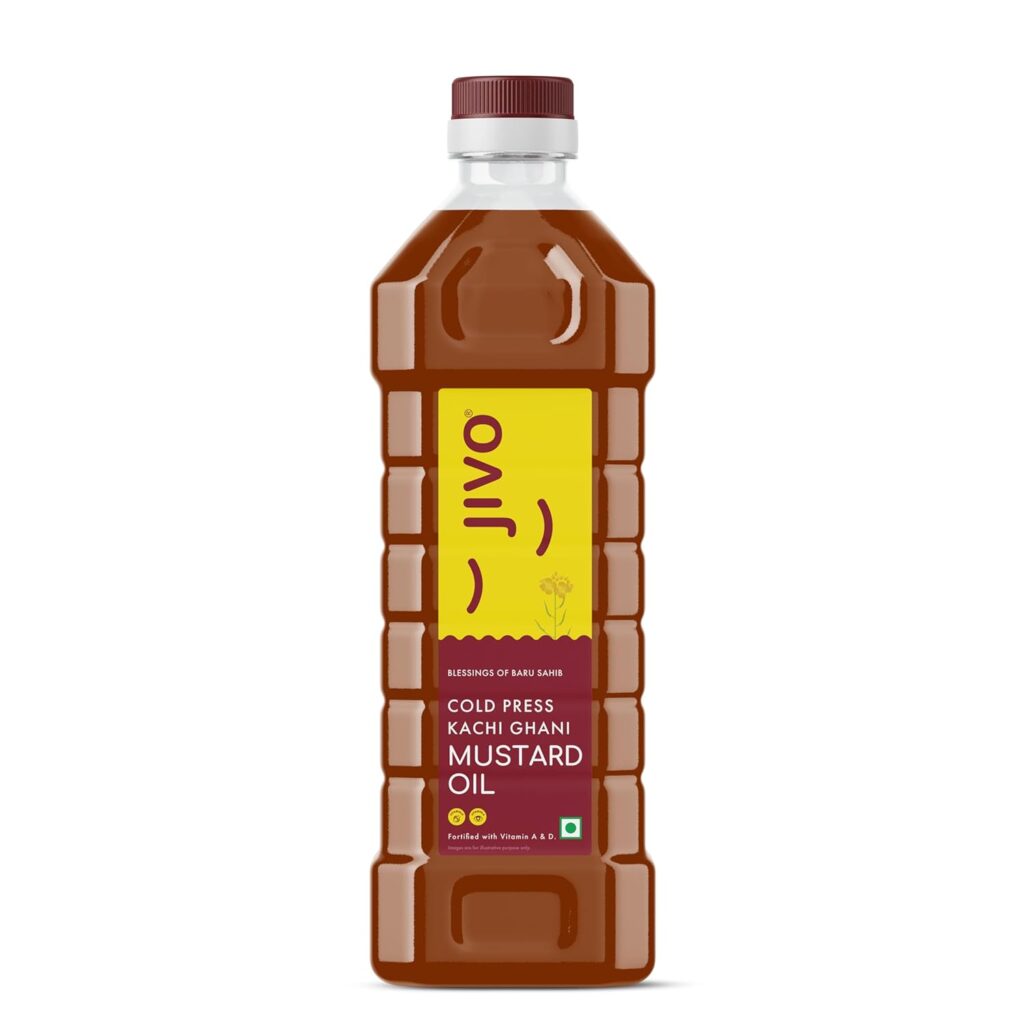
For generations, people in India, Bangladesh, and Pakistan have used mustard oil as their primary cooking fat. Beyond the kitchen, traditional Ayurvedic medicine utilizes mustard oil to treat everything from cold symptoms to muscle aches. Today, pure mustard oil remains incredibly popular, and you can easily find high-quality options on Amazon to experience its benefits firsthand. The character of the oil can vary depending on the type of mustard seed used—black, brown, or white—and the extraction method.
A Journey Through Time: The History of Mustard Oil
The story of mustard oil is as rich and piquant as the oil itself. Its use dates back thousands of years, with evidence of mustard cultivation found in ancient civilizations. Roman texts from the 1st century AD mention using mustard seeds, and they were known for creating a paste from the seeds mixed with unfermented grape juice, called “mustum ardens” or “burning must,” from which the word “mustard” is derived.
In the Indian subcontinent, the history is even more profound. Archaeological findings in the Indus Valley suggest mustard was cultivated as far back as 3000 BC. Ancient Sanskrit texts from over 2,000 years ago, including the works of the physician Sushruta, document the medicinal properties of mustard oil. It was prescribed for everything from skin ailments to improving circulation. This ancient wisdom laid the foundation for its enduring role in Ayurvedic medicine.
During the medieval period, the cultivation and use of mustard spread across Europe and Asia. In Europe, it was primarily used as a condiment. However, in South Asia, mustard oil became the dominant cooking medium, especially in the northern and eastern regions. Its high smoke point and preservative qualities made it ideal for the local cuisine, perfect for frying and pickling. The Industrial Revolution brought more efficient pressing techniques, making mustard oil more accessible and cementing its place in kitchens across the continent. This long history is a testament to the versatility and power of this incredible oil.
The Cultural Significance of Mustard Oil
Beyond its practical uses, mustard oil holds deep cultural and spiritual significance, particularly in Hindu traditions. It is not just an ingredient; it is an integral part of ceremonies, rituals, and daily life.
In many parts of India, mustard oil is used to light “diyas” (earthen lamps) during religious festivals like Diwali. The bright flame is believed to purify the environment and ward off negative energy. The oil’s pungent aroma is thought to cleanse the spiritual atmosphere, making it a preferred choice for sacred rituals.
Mustard oil also plays a central role in traditional ceremonies. During weddings, it is often applied to the bride and groom as part of pre-wedding rituals like “Haldi” or “Ubtan.” This practice is believed to bless the couple, grant them glowing skin, and protect them from evil spirits. Similarly, when a new baby is born, it is a common custom to massage the infant with warm mustard oil. This tradition is thought to strengthen the baby’s bones, improve circulation, and protect their delicate skin. The daily massage is a bonding ritual between mother and child, a practice passed down through generations. The distinctive scent of mustard oil often evokes a sense of home, comfort, and nostalgia for many.
Top Health Benefits of Mustard Oil
Adding mustard oil to your daily routine can provide a surprising number of health benefits. Research shows that this powerful oil contains beneficial fats, vitamins, and antioxidants.
Supports Heart Health
Mustard oil is rich in monounsaturated and polyunsaturated fats, including a good amount of omega-3 and omega-6 fatty acids. These are the “good” fats your body needs to function properly. Replacing saturated fats with the healthy fats found in mustard oil can help lower bad cholesterol (LDL) levels while raising good cholesterol (HDL). Maintaining healthy cholesterol helps protect your heart and keeps your cardiovascular system running smoothly. The balanced fatty acid profile of mustard oil contributes to reducing the risk of cardiovascular diseases.
Powerful Anti-inflammatory Properties
Chronic inflammation can lead to various health issues, including joint pain, arthritis, and digestive problems. Mustard oil contains allyl isothiocyanate, which studies suggest helps reduce inflammation in the body. Massaging warm mustard oil into your skin can soothe aching joints and provide quick relief from muscle spasms. Its warming effect improves blood circulation to the area, further helping to alleviate pain and stiffness.
Natural Antibacterial and Antifungal Effects
Mustard oil acts as a natural defense against unwanted microbes. Its chemical composition, particularly the presence of glucosinolates, makes it difficult for harmful bacteria and fungi to thrive. Applying a small amount of mustard oil to minor scrapes and cuts can help prevent infection. Some people even use it to fight off fungal skin infections safely and naturally. Its antimicrobial properties also extend to food preservation, which is why it’s a key ingredient in many traditional pickles.
Relieves Cold and Cough Symptoms
When cold season hits, mustard oil offers natural relief. Heating a few tablespoons of mustard oil with a few cloves of garlic and massaging it onto your chest, back, and the soles of your feet can loosen congestion